
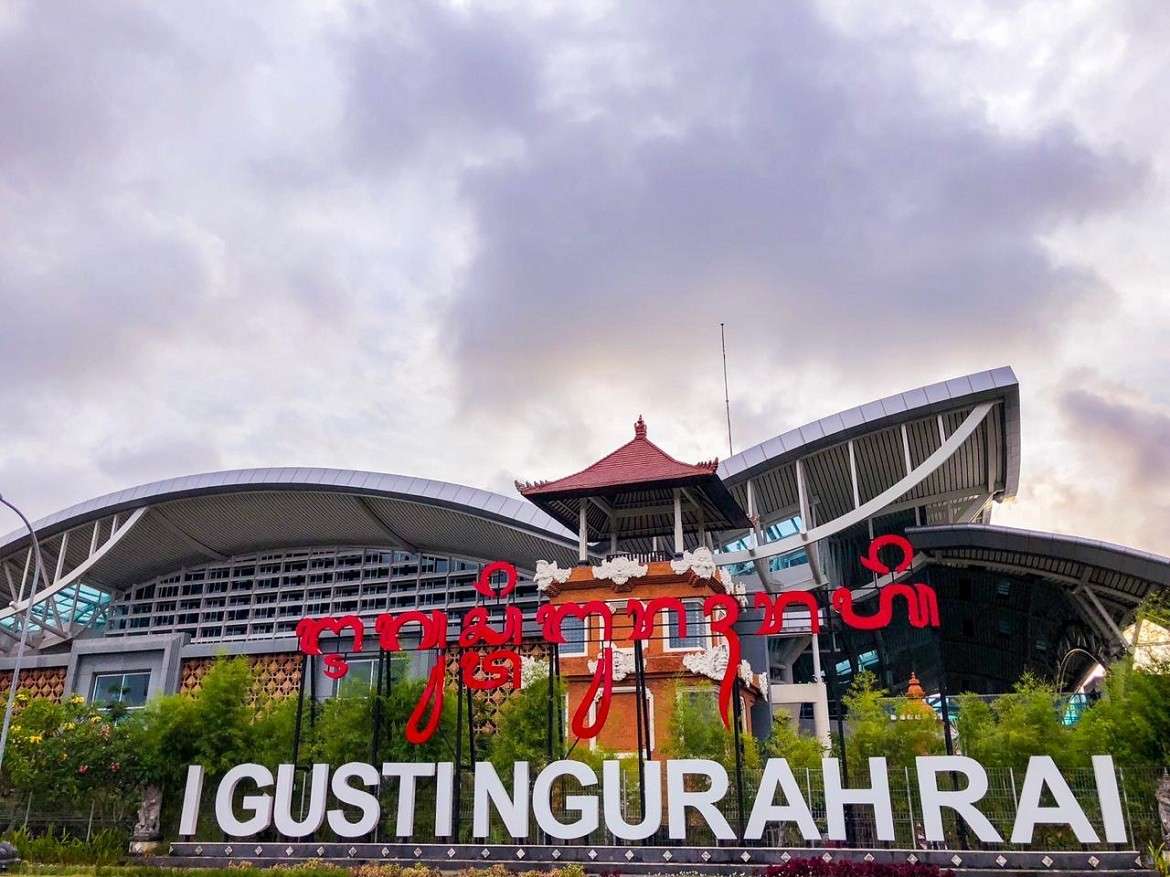
I Gusti Ngurah Rai International Airport in Bali is projected to serve approximately 1.5 million passengers during the 2025 Christmas and 2026 New Year holiday period.
During this time, passenger density is expected to rise significantly, with the peak of outbound traffic forecast on 19 December 2025 and the peak return flow on 4 January 2026.
General Manager of I Gusti Ngurah Rai International Airport, Ahmad Syaugi Shahab, said that airport management has established an integrated service post operating from 15 December 2025 to 4 January 2026.
The post serves as a coordination, monitoring, and operational control center during periods of passenger congestion, while also supporting mitigation efforts related to the rainy season, which may affect travel smoothness and flight safety.
“Based on previous experience, there is often a surge in traffic during the Christmas and New Year period. Over the past few months, we have been coordinating intensively both internally and with all relevant stakeholders to ensure that service points are ready, in terms of facility reliability, personnel preparedness, infrastructure, and procedures.” Syaugi said on Wednesday (17/12/2025).
During the Nataru period, aircraft movements at Ngurah Rai Airport are estimated to reach 9,304 movements, or an average of more than 440 flights per day.
The projected increase in flight traffic is driven by 510 requests for additional flight schedules (extra flights), primarily to serve domestic routes.
The peak of the Christmas travel period is predicted to occur on Friday, 19 December 2025, with an estimated 79,993 passengers served. Meanwhile, the peak return flow is expected on Sunday, 4 January 2026, with passenger traffic projected at approximately 79,481 people.
These projections are based on average passenger movements recorded during the first two days of Nataru post operations, which totaled 125,806 passengers, or an average of 62,903 passengers per day.
In addition, aircraft traffic is expected to reach 813 movements, with an average of 406 flights per day, exceeding the daily average of 391 movements recorded from January to November 2025.
To support smooth operations, airport management has also optimized technology-based services through the implementation of airport collaborative decision making (ACDM) and a traffic-based operations management system (MOT).
“This system can predict passenger density and provide recommendations on the number of facilities and personnel needed, so that service can be maintained.” he said.
Meanwhile, the airport operator has also prepared several anticipatory measures to address potential vehicle congestion on access roads to and from the airport.
These measures include the establishment of traffic monitoring posts at several locations involving the Airport Police and the Indonesian Air Force (TNI AU), traffic engineering arrangements, optimization of traffic signal systems (APILL), and the deployment of tow trucks.
“These tow trucks will be on standby at several points to tow cars that break down so as not to disrupt traffic flow,” Syaugi emphasized.
Along with the expected rise in tourist arrivals to Bali during the 2025–2026 Nataru holiday period, I Gusti Ngurah Rai International Airport reiterated its projection of serving around 1.5 million passengers.
“According to Kumparan.com, “”The Christmas and New Year season is always the peak holiday season. I Gusti Ngurah Rai Airport predicts it will be crowded with 1.5 million passengers.” Ahmad Syaugi Shahab told reporters on Wednesday (17/12).
He added that joint personnel from the airport authority, police, Transportation Agency, and pecalang (traditional Balinese security officers) will be on standby 24 hours a day to ensure the smooth flow of passenger and aircraft movements.
Each party has also prepared mitigation measures to respond to potential traffic congestion and natural disasters.
“To anticipate the rainy season, preventive measures taken include inspection and maintenance of airside facilities, checking drainage and flood control pumps, maintenance of terminal buildings, and real-time weather monitoring in collaboration with BMKG.” he said.