
As part of its continued efforts to gather public input on accelerating reform within the Indonesian National Police, the Commission for the Acceleration of Police Reform has consistently provided platforms for public participation.
One such initiative was a public hearing involving representatives from various segments of Balinese society, held at Udayana University, Bali, on Friday (19/12/2025).
Opening the hearing session, member of the Commission for the Acceleration of Police Reform, Mohammad Mahfud MD stated that throughout the series of public consultations conducted so far, the commission has met with more than 87 community groups in Jakarta.
He emphasized that engaging with communities at the regional level is essential to collect diverse perspectives and inputs aimed at improving the police institution, particularly in restoring National Police’s role in line with constitutional principles.
“We hope to receive your aspirations and input, whether it be to improve, strengthen, or maintain the various positive things that have been going well,“ Mahfud said.
As host of the event, Rector of Udayana University, I Ketut Sudarsana expressed his view that the public consultation was both strategic and significant in encouraging meaningful reform within National Police.
He also conveyed his full support for the acceleration of police reform so that it can be implemented sustainably and deliver tangible benefits to the public.
“Given the vital position and role of the National Police in maintaining national stability and order, reform is an inevitable necessity,“ Sudarsana stated.
Addressing Various Issues
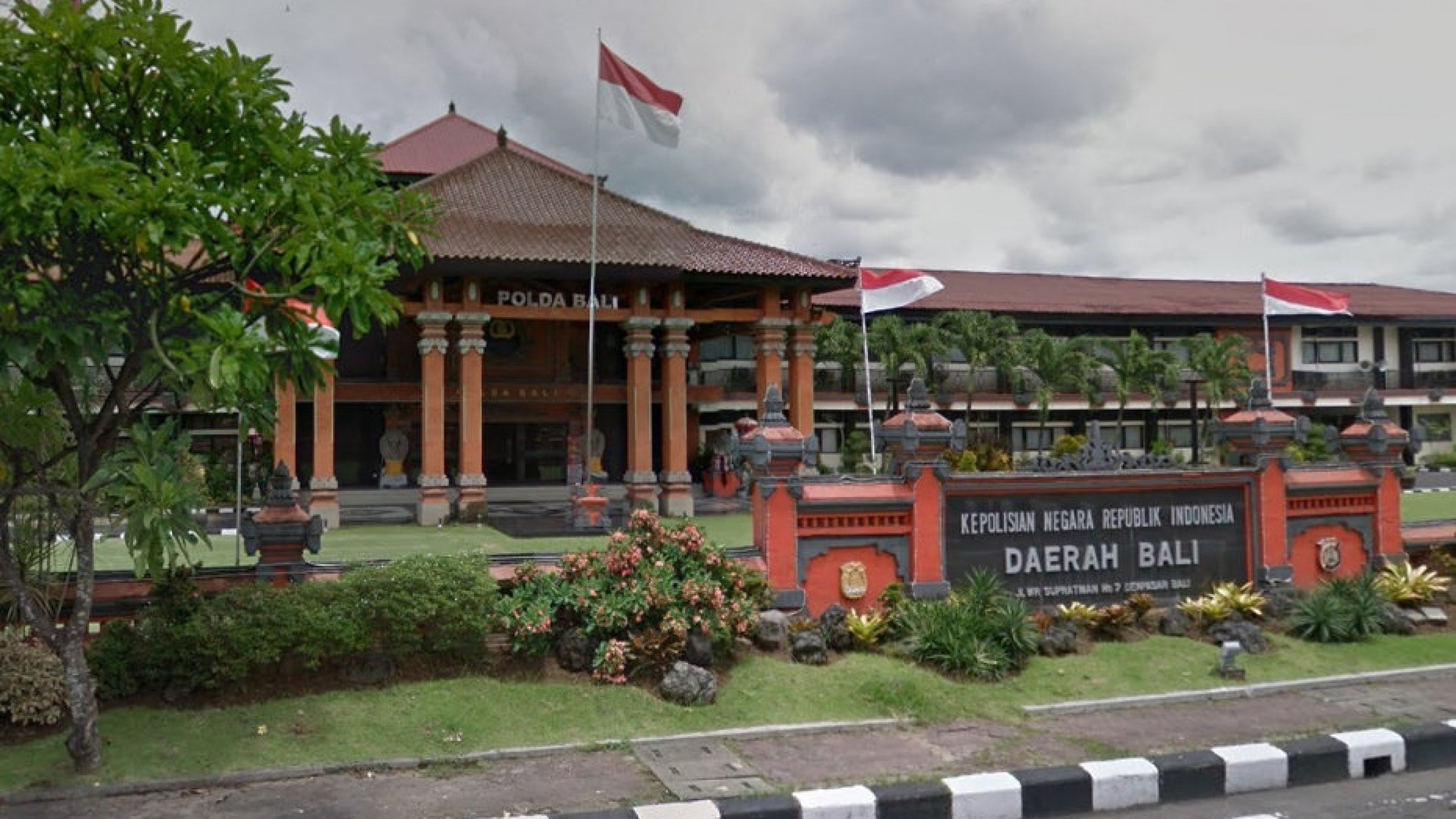
Support for accelerating police reform was also voiced by Bali Police Chief Daniel Adityajaya. He affirmed that through various programs and innovations, the Bali Regional Police have consistently demonstrated strong commitment to the reform agenda, aiming to enhance professionalism and responsiveness to public needs.
“The Bali Provincial Police supports the acceleration of Police Reform through the implementation of various programs that are currently being carried out and continuously evaluated.” Daniel emphasized.
During the forum, a representative of the Bali Traditional Village Council, I Dewa Nyoman Rai Asmara Putra, expressed appreciation for the coordination that has been established between the council and the Bali Police.
He noted that the council frequently collaborates with both the regional and city police units, which actively assist in addressing various community issues and cases.
“We believe that it is important to highlight not only critical issues, but also successful practices that are already in place. The existence and role of the Indonesian National Police is essential. Therefore, reform of the Indonesian National Police must continue so that the police institution becomes stronger, more professional, and trusted by the community.” Rai stated.
Also present was prominent Balinese figure and former Bali Governor I Made Mangku Pastika. He highlighted police recruitment as one of the key areas requiring improvement.
According to him, the minimum educational requirement for police recruits should ideally be set at the undergraduate level, as university graduates tend to demonstrate greater maturity and critical thinking compared to high school graduates.
“Currently, there are many bachelor’s degree graduates who have not been absorbed into the workforce, while in terms of maturity and maturity of thinking, bachelor’s degree graduates are considered to be better prepared. In addition, the relatively short period of education at the academy, which is around one year, requires prospective members to already have adequate basic knowledge, maturity, and intellectual capacity.” Mangku Pastika explained.
Echoing these views, academic I Gede Yusa urged the Commission for the Acceleration of Police Reform to pay closer attention to recruitment processes and strengthen both internal and external oversight mechanisms. Nevertheless, he also commended the Bali Police for incorporating local cultural wisdom into their policing practices.
“The involvement of local communities in maintaining security and order in their respective neighborhoods is a positive step that needs to be continuously strengthened and developed.“ Yusa said.
Positive feedback regarding Police’s performance was also shared by student representative I Gusti Agung Ngurah Oka Paramahamsa. Alongside his appreciation, he offered constructive input for future improvements.
“Matters related to information disclosure and digitization need to be maximized not only at the regional level, but also nationally, so that the public can be more aware of and monitor the performance of the police more openly.” Oka stated.
Concerns about Police Welfare
Representing professional groups in Bali, Muhammad Sukedi raised concerns regarding police welfare, arguing that personnel compensation deserves serious attention given the high demands and public expectations placed on police officers.
“The current salary of the Indonesian National Police is still considered relatively small compared to the high demands and expectations of the public.” Sukedi noted.
Academic from the Hindu State University (UHN) I Gusti Bagus Sugriwa, Denpasar, I Nyoman Alit Putrawan, stressed that Police’s commitment to the nation extends beyond formal oaths of office, constituting a moral pledge to safeguard social harmony. He expressed hope that reform efforts would restore Police’s role as a professional, ethical, and community-oriented institution.
“Police reform is expected to restore the police institution to its proper role, namely as the guardian of security, justice, and harmony for the entire community.” Sugriwa said.
Meanwhile, Udayana University academic Ida Bagus Surya Dharma Jaya emphasized that the diverse inputs shared by community representatives constitute valuable contributions to accelerating police reform.
He noted that public concerns regarding Police often stem from real experiences and practices encountered in the field.
“These issues need to be addressed collectively so as not to cause inequality, both in law enforcement and in relations and authority between agencies.” Surya stressed.
Mahfud also underscored that the public hearings were not merely ceremonial, as all collected inputs would be processed into formal recommendations to be submitted to the President.
The outcomes would also be shared with the public as a commitment to transparency and accountability.
“This reform is not limited to the National Police, but the National Police must set an example for other institutions so that the improvement process can be carried out comprehensively.” Mahfud concluded.
Sources: Kementerian Sekretariat Negara