
On Monday, November 16, Indonesia’s Legislative Body at the House of Representatives held a meeting to discuss amendments to two laws: Law No. 20 of 2022 on the Province of West Nusa Tenggara, and the Draft Bill on Amendments to Law No. 21 of 2022 on the Province of East Nusa Tenggara.
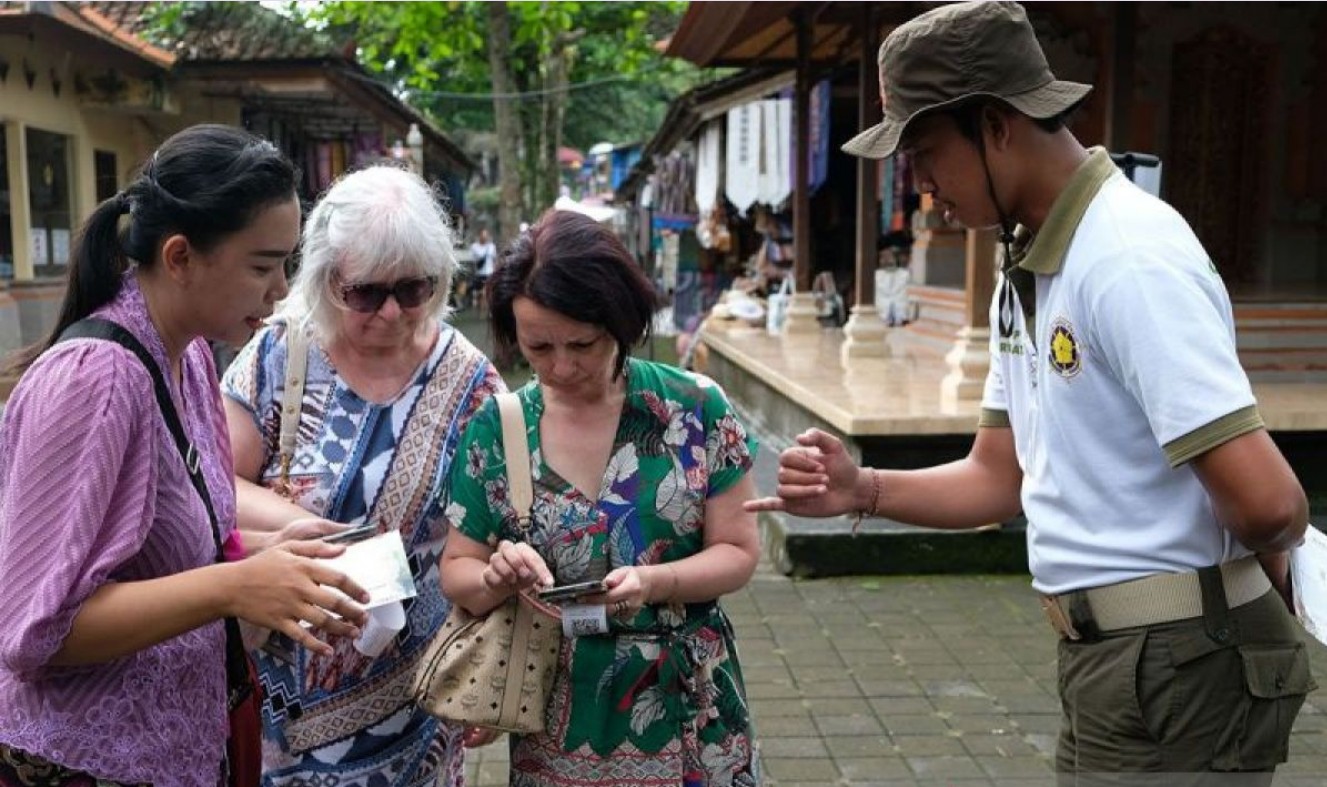
During the discussion, a major proposal emerged: the plan to expand the foreign tourist levy to these two provinces. Currently, Bali is the only province that has officially implemented this policy, which took effect in February 2024.
Beyond simply boosting local revenue, the tourist levy is designed to serve a greater purpose. The funds will be used to upgrade tourism destinations, preserve local culture and the environment, and ultimately strengthen the local community’s economy.
The plan drew significant attention from various parties participating in the Legislative Body meeting, especially the Ministry of Tourism. While the Ministry supports the idea of expanding the foreign tourist levy to Nusa Tenggara, it also raised some critical concerns.
Overlapping Levies
Deputy Minister of Tourism, Ni Luh Puspa, warned about the potential for tourists to be charged multiple times if the same policy currently running in Bali is also applied in West Nusa Tenggara and East Nusa Tenggara. She worries this could burden foreign tourists and damage the national tourism image.
The concern stems from the fact that foreign tourists entering through Bali often continue their journey to neighboring destinations, like West Nusa Tenggara or Labuan Bajo in East Nusa Tenggara.
If these regions implement their own separate levies, tourists risk paying the fee multiple times during a single trip.
“The potential for layered levies is certainly not good for Indonesia’s tourism image. This needs to be carefully thought out through a feasibility study at the national level before being applied to other provinces,” said Ni Luh Puspa on Monday, November 16, 2026.
One-Time Payment
Meanwhile, Deputy Minister of Home Affairs, Bima Arya Sugiarto, proposed that the three provinces discuss the scheme together to avoid repeated charges for foreign tourists visiting more than one region.
Bima suggested that the foreign tourist levy could be applied under a single-payment scheme, similar to Europe’s Schengen visa system, which allows tourists to access multiple countries with just one visa.
“In Europe, they have the Schengen visa—you enter there and can go to other countries. Well, this could work the same way. You pay once, but how much is the fee, how is it divided, and how is it utilized—that’s roughly how it should work,” said Bima at the same event.
Bima also expressed support for implementing an earmark system, where revenues are specifically allocated for certain purposes. With this mechanism, funds collected from the foreign tourist levy can be directed toward supporting tourism development while simultaneously driving the local community’s economy.
Lessons from Bali
During the inter-agency meeting, discussions on the foreign tourist levy also covered efforts to strengthen regional fiscal capacity, including the implementation of the levy, using Bali’s existing policy as a benchmark.
Bali currently charges IDR 150,000 for every foreign tourist, payable via cashless payment through the Love Bali app.
However, based on information the Ministry of Tourism received from the Bali Provincial Government, the actual collection has only reached about 30 to 40% of the target.
Ni Luh believes Bali’s experience should serve as a valuable lesson before similar policies are rolled out in other regions. She emphasized that the government needs to ensure the collection mechanism is clear, the use of funds is transparent, and that tourists can actually feel the benefits through improved services and facilities.
“When tourists are charged, they also want to see where the money goes and what results from the money they paid,” she said.
To prevent overlapping levies, the Ministry of Tourism is proposing a unified payment system and a single reporting system for tourists. The government also needs to establish national standards that cover how the funds are used, the levy rates, digital payment systems, and reporting mechanisms.
Source: Tirto, Antara
Feat Image: via AntaraNews//Nyoman Hendra W