
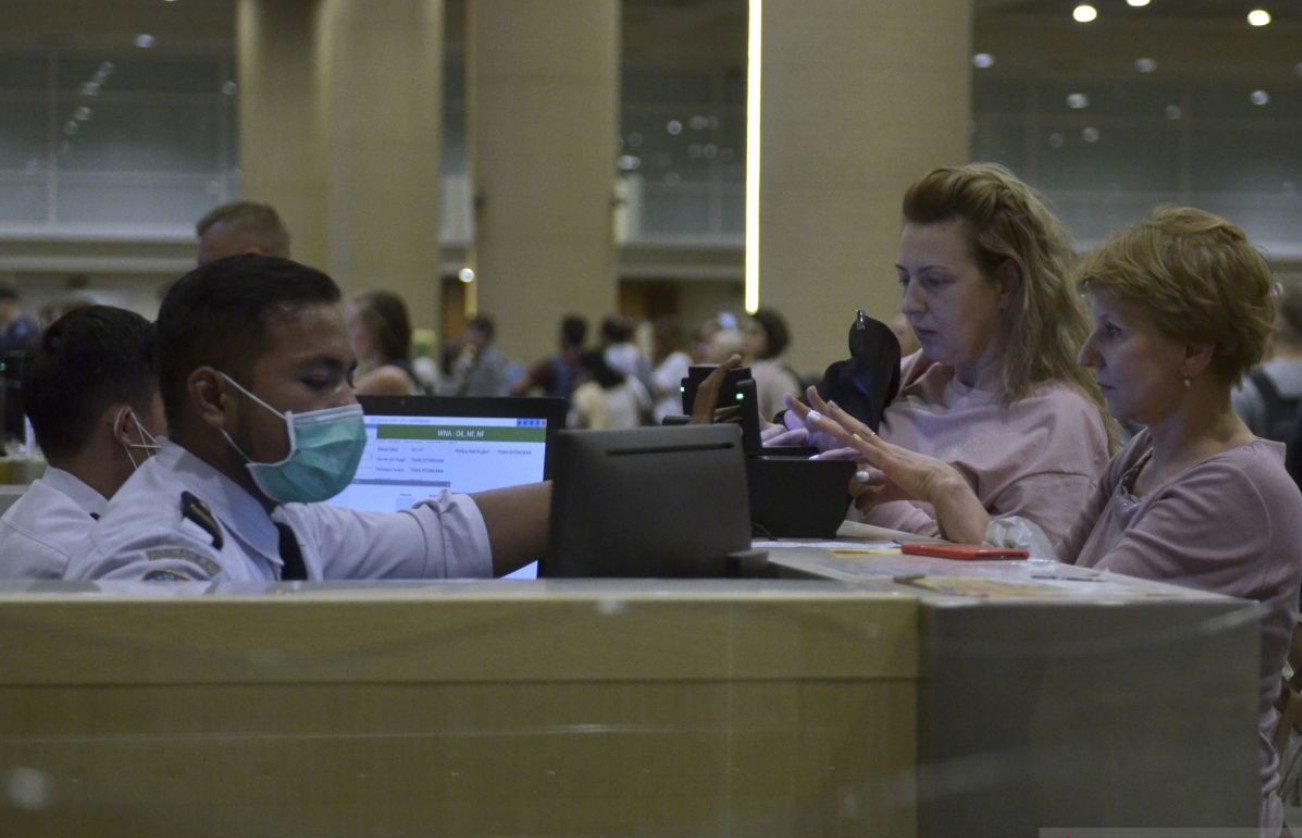
Bali’s reputation as a global tourist hub extends beyond leisure travel. The province has become a focal point for foreign workers, investors, and international mobility in Indonesia.
Rieke Diah Pitaloka, a member of the House of Representatives from the commission overseeing immigration and correctional services, argued that Bali’s role as Indonesia’s “front porch” and primary gateway for international arrivals requires a broader approach to immigration management.
“Immigration is a strategic instrument of the state that is directly related to national security, investment, employment, protection of Indonesian citizens, state revenue, environmental sustainability, and the sovereignty of Indonesia,” said Rieke in a statement on Monday, June 8, 2026.
She urged the establishment of regulations that provide a legal foundation for integrating data and coordinating across ministries, agencies, and regional governments in implementing national immigration policy.
Oversight and Digital Audits
Rieke noted that in 2025, Bali welcomed around 6.9 million international tourists, with more than 15 million border crossings.
During the same period, immigration authorities issued approximately 53,428 stay permit documents and nearly 28,000 passports, generating about IDR 1.5 trillion in non‑tax state revenue (PNBP).
Despite this scale, she argued that oversight remains fragmented. Beyond regulatory reform, Rieke called for investigative audits and digital forensic reviews of visa issuance, stay permits (KITAS and KITAP), investor and work permits, sponsorships, and foreign investment companies — linking them to systems such as OSS licensing, taxation, and BPJS social security.
“When companies that exist only administratively can sponsor visas, work permits, or investor permits without any real business activity, it opens up opportunities for immigration corruption, tax evasion, money laundering, and various transnational crimes,” Rieke emphasized.
She further pressed law enforcement to investigate connections between shell companies, fraudulent investments, nominee practices, misuse of residence permits, illegal foreign workers, human trafficking, money laundering, online gambling, scams, and other transnational crime networks exploiting weaknesses in immigration governance.
Sources : AntaraNews, RMOL
Feat Image : AntaraNews//Fikri Yusuf